The American Dream of Staying Put Forever Is Actually Costing You a Fortune
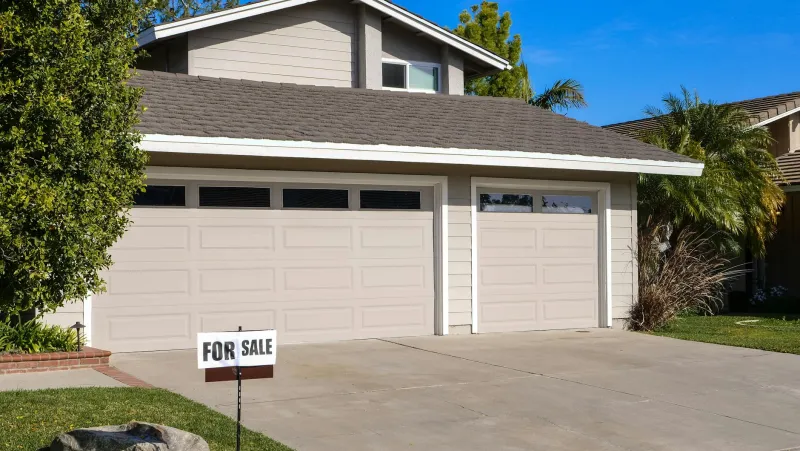
The American Dream of Staying Put Forever Is Actually Costing You a Fortune
Walk into any real estate office in America, and you'll hear the same phrase repeated like a mantra: "This could be your forever home." It's become so ingrained in our culture that most buyers don't question it. They envision themselves aging gracefully on their front porch, watching grandchildren play in the same yard where their own kids took their first steps.
There's just one problem: it's complete fiction.
The Numbers Tell a Different Story
According to the National Association of Realtors, the typical American homeowner moves every 8 to 13 years. That "forever home" you're agonizing over? You'll probably sell it before your mortgage hits the halfway point.
Yet this myth persists, and it's costing families thousands—sometimes tens of thousands—of dollars in unnecessary expenses. The "forever home" mindset transforms what should be a practical housing decision into an emotional investment that rarely pays off.
Why We Fell for the Forever Home Fantasy
The concept didn't emerge from thin air. It's rooted in post-World War II American culture, when suburban development and government-backed mortgages made homeownership accessible to the middle class for the first time. The GI Bill and FHA loans created a generation that could actually afford to stay put for decades.
But the economic landscape has shifted dramatically. Today's workers change jobs more frequently, family sizes fluctuate, and life circumstances evolve faster than ever. The housing market reflects this reality, even if our cultural messaging hasn't caught up.
The Hidden Costs of Forever Thinking
When buyers approach home shopping with a "forever" mentality, they make expensive decisions that don't align with their actual timeline:
Oversized Homes: Families buy houses based on their peak space needs—when kids are teenagers and need separate rooms—rather than their average needs over 8-13 years. That extra bedroom "for guests" or "for a future office" costs money every month in mortgage payments, utilities, and maintenance.
Premium Location Costs: Buyers pay enormous premiums for top-rated school districts, even when their children will only attend those schools for a portion of their homeownership period. A family moving when their child is in 5th grade paid extra for high school rankings they'll never use.
Over-Renovation: The forever home myth drives extensive renovations that owners will never recoup. Kitchen remodels might add $50,000 to a home's value while costing $75,000 to complete. If you're moving in eight years anyway, that's $25,000 down the drain.
The Real Estate Industry's Role
Real estate professionals have little incentive to dispel this myth. Bigger, more expensive homes mean larger commissions. Emotional buyers who envision themselves "settling down forever" are less likely to negotiate aggressively or walk away from overpriced properties.
The marketing language reinforces this at every turn. Open house signs promise "your dream home," and listing descriptions emphasize "perfect for entertaining" and "room to grow." These phrases are designed to trigger long-term emotional thinking rather than practical financial analysis.
What Successful Buyers Actually Do
Smart homebuyers approach housing decisions with a realistic timeline in mind. They consider:
-
Current needs plus modest growth: Instead of buying for hypothetical future scenarios, they focus on their actual space requirements for the next 5-10 years.
-
Resale potential: They choose homes and locations that will appeal to future buyers, not just their personal preferences.
-
Cost per year of ownership: Rather than focusing on total purchase price, they calculate the annual cost of owning a particular property and compare it to alternatives.
The Flexibility Advantage
Treating homeownership as a medium-term financial decision rather than a lifetime commitment offers significant advantages. Smaller, well-located homes often appreciate faster than oversized properties. Lower monthly payments provide flexibility to invest in other assets or weather economic downturns.
Most importantly, avoiding the "forever home" trap reduces the emotional pressure that leads to poor financial decisions. When you're not trying to find the "perfect" house for an imaginary 30-year scenario, you can focus on finding a good house for your actual situation.
The Bottom Line
The forever home myth isn't just misleading—it's expensive. By accepting that you'll probably move within a decade, you can make housing decisions based on reality rather than fantasy. Your future self (and your bank account) will thank you for it.
The next time a real estate agent mentions your "forever home," remember: the average American homeowner disagrees. And those average Americans might be onto something.