That Finished Basement You're Paying Premium For? It Might Actually Be Worth Half What You Think
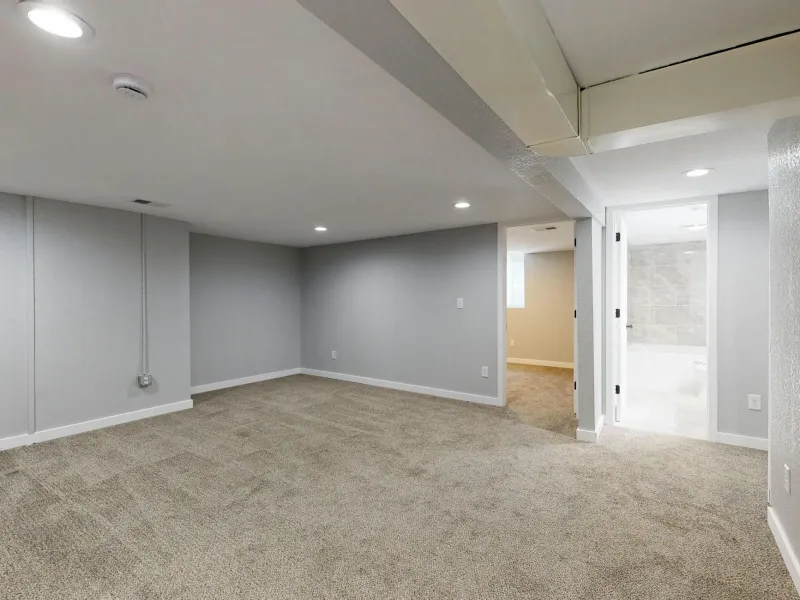
That Finished Basement You're Paying Premium For? It Might Actually Be Worth Half What You Think
Walk through any suburban neighborhood, and you'll find countless home listings touting "fully finished basements" as major selling points. Buyers snap up these properties, often paying thousands extra for that additional "living space." Real estate agents market them as bedrooms, family rooms, or home offices that essentially double your square footage.
But here's what most buyers don't realize: when it comes time for an appraisal, that basement space you paid premium for might be valued at a fraction of what you expected.
The Appraisal Reality Check
Professional appraisers — the people who actually determine your home's value for mortgage and insurance purposes — follow strict guidelines about how to value different types of space. And those guidelines treat basement square footage very differently than main floor living areas.
According to appraisal standards used across most of the United States, below-grade finished space (that's appraiser-speak for basements) is typically valued at 50-75% of above-grade living space. In some markets, it's even lower.
This means that 1,000 square feet of finished basement might add $15,000-25,000 to your home's appraised value, while 1,000 square feet of main floor addition could add $40,000-60,000 or more, depending on your local market.
Why Basements Get the Discount Treatment
Natural Light and Ventilation: Even the most beautifully finished basement typically has limited natural light and ventilation compared to above-grade rooms. Appraisers consider this a fundamental limitation that affects both livability and resale appeal.
Moisture and Environmental Concerns: Basements are inherently more susceptible to moisture issues, flooding, and humidity problems. Even if your basement is currently dry and comfortable, appraisers factor in the long-term risk and maintenance requirements.
Ceiling Height Limitations: Most basement ceilings are 7-8 feet high, compared to 9-10 feet on main floors of newer homes. This creates a psychological sense of compression that affects how people experience the space.
Egress Requirements: For basement space to be considered legitimate living area, it needs proper emergency egress — typically meaning window wells large enough for emergency exit. Many "finished" basements don't meet these requirements, further limiting their appraised value.
The Regional Reality
The value proposition for basements varies dramatically across different parts of the country, and understanding these regional differences can save you thousands.
The Midwest Advantage: In states like Minnesota, Wisconsin, and Ohio, basements are standard and expected. Finished basements in these markets often retain more of their value because buyers specifically seek them out for tornado protection and seasonal living.
Southern Skepticism: In much of the South, basements are rare due to soil conditions and high water tables. When they do exist, buyers often view them with suspicion rather than excitement, limiting their value-add potential.
Western Realities: In earthquake-prone areas like California, basement space might actually be viewed as a liability rather than an asset, particularly if it's not built to current seismic standards.
East Coast Expectations: In older Northeastern markets, basements are common but often come with century-old moisture and structural issues that savvy buyers factor into their offers.
What Counts as "Finished" Anyway?
Not all basement improvements are created equal in the eyes of appraisers and buyers.
High-Value Improvements: Proper flooring (not just painted concrete), drywall and paint, adequate lighting, and HVAC integration typically provide the best return on investment.
Medium-Value Additions: Built-in storage, wet bars, and entertainment systems add some value but often less than homeowners expect.
Low-Value Cosmetics: Expensive finishes like granite counters or high-end fixtures in basement spaces rarely provide significant return on investment, since the fundamental limitations of below-grade space remain.
The Marketing vs. Reality Gap
Real estate marketing often contributes to unrealistic expectations about basement value. Phrases like "doubles your living space" or "like getting a whole extra floor" are common, but they don't reflect appraisal reality.
Square Footage Inflation: Many listings include basement square footage in the total home size without clearly distinguishing it from above-grade space. This can create false comparisons when you're evaluating price per square foot.
Bedroom Claims: Just because a basement has a bedroom doesn't mean it adds the same value as an above-grade bedroom. Appraisers often won't count basement bedrooms in their bedroom count if they lack proper egress.
Income Potential: Some sellers market basements as potential rental income, but zoning laws and safety requirements often prevent legal rental use of basement spaces.
Making Smart Basement Decisions
If you're considering buying a home with a finished basement, or thinking about finishing your own, here's how to think about it realistically:
Buy for Your Lifestyle, Not Investment: If you'll genuinely use and enjoy the basement space, it can be worth paying for. Just don't expect to recoup that investment dollar-for-dollar when you sell.
Factor in Maintenance: Basement finishes require more maintenance than main floor spaces due to moisture and temperature fluctuations. Budget accordingly.
Know Your Market: Research what basement finishes actually sell for in your specific neighborhood and price range. The value proposition varies dramatically by location.
Consider Alternatives: Sometimes an unfinished basement with good bones is a better investment than a poorly finished one, since you can customize it to your needs and current standards.
The Bottom Line
Finished basements can be wonderful additions to your living space — they're great for kids' playrooms, home theaters, or simply spreading out during family gatherings. But they're not the financial slam dunk that real estate marketing often suggests.
Understanding the real economics of basement space can help you make better decisions about how much to pay for existing finished basements and whether finishing your own makes financial sense. Sometimes the best basement investment is simply keeping it clean, dry, and functional rather than trying to turn it into something it's not.
The key is going in with realistic expectations. That way, you can enjoy the extra space without the disappointment of discovering its true market value later.