Those 'Best Places for Families' Lists Everyone Uses Are Made Up by Magazines

The Annual Migration Based on Magazine Math
Every March, like clockwork, major publications release their "Best Cities for Families" rankings. Within weeks, real estate searches spike in the winning cities. Moving companies report increased inquiries. Local officials issue press releases celebrating their top-ten placement.
Most readers assume these rankings reflect some kind of scientific analysis — comprehensive data collection, expert evaluation, maybe even on-the-ground research. The reality is far messier, and it explains why Austin can be #1 for families on Money Magazine's list while ranking #47 on U.S. News & World Report's version published the same month.
How the Sausage Actually Gets Made
These rankings start with a simple editorial decision: what makes a good family city? That question gets answered differently by every publication, and those differences create wildly divergent results.
Money Magazine might weight school test scores at 40% of their formula, while Nerdwallet gives them 15%. Family Circle could prioritize park space per capita, while Parents Magazine focuses on pediatrician availability. There's no standard methodology because there's no governing body for "best places" lists — just magazines trying to generate clicks and sell subscriptions.
The data sources vary just as dramatically. Some publications use Census Bureau statistics from three years ago. Others rely on proprietary surveys with sample sizes they won't disclose. A few simply aggregate Yelp reviews and call it "quality of life research."
The Sponsor Problem Nobody Talks About
Here's where it gets interesting: many of these rankings coincidentally favor cities where the publishing company has advertising relationships or upcoming real estate partnerships.
A major personal finance website might rank Phoenix highly the same year their parent company launches a mortgage lending division in Arizona. A family lifestyle magazine could boost Nashville's score while running a sponsored content series about Tennessee tourism.
This isn't necessarily intentional manipulation — it's often unconscious bias. Editorial teams naturally have more positive information about places their business development colleagues are actively working with.
The Methodology Shell Game
Most publications publish their "methodology" in small print, but reading the fine details reveals how arbitrary the whole process is.
"We evaluated 150 metropolitan areas using 50 data points across 8 categories," sounds scientific until you realize they're not telling you how those categories were weighted, why those specific 50 data points were chosen, or who decided what constitutes a "metropolitan area" for their purposes.
Some lists exclude cities under 100,000 people. Others set the bar at 50,000. A few only consider metro areas with at least three Starbucks locations. The exclusion criteria alone can determine which cities make the final ranking.
When the Same Data Tells Opposite Stories
The most revealing exercise is comparing how different publications handle identical data points. Take Plano, Texas — a Dallas suburb that appears on most family-friendly lists.
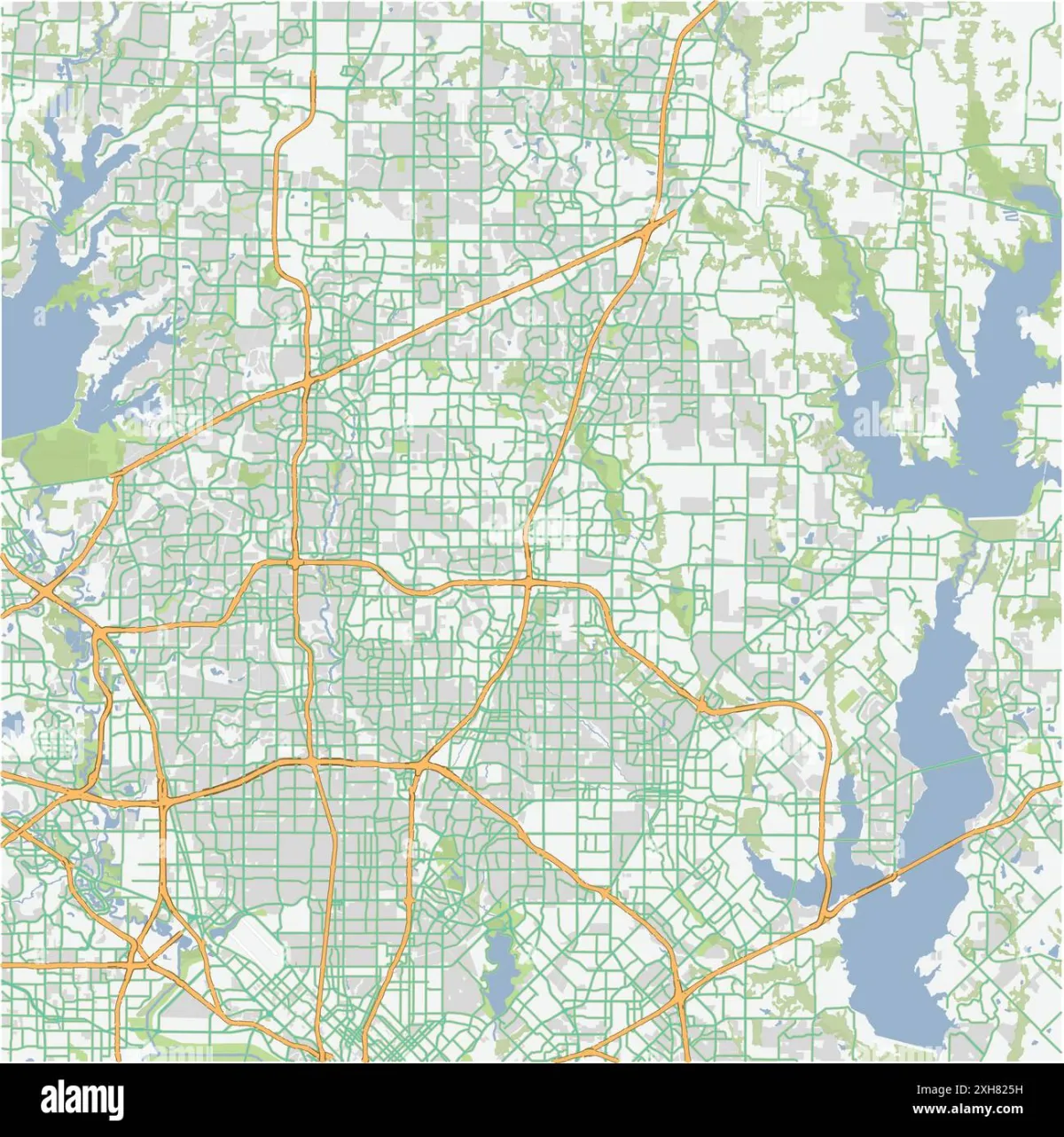 Photo: Plano, Texas, via c8.alamy.com
Publication A celebrates Plano's "excellent schools" based on standardized test scores. Publication B penalizes the same district for "high academic pressure" and "competitive environment." Same schools, same test scores, opposite conclusions.
Publication C praises Plano's "family-focused suburban lifestyle." Publication D criticizes its "lack of cultural diversity" and "car-dependent sprawl." They're describing the same place using the same demographic data.
The Real-World Impact
These rankings aren't just harmless entertainment — they drive actual family decisions worth hundreds of thousands of dollars.
Real estate agents report clients arriving with printed lists, demanding to see homes only in "top-rated" cities. Families relocate across the country based on a ranking that might have been heavily influenced by the magazine's need to feature different cities than last year's list.
The economic impact flows both directions. Cities that consistently rank highly see property values inflate as demand increases from list-motivated buyers. Meanwhile, perfectly livable communities get overlooked because they didn't score well on metrics they never knew were being measured.
What Actually Matters for Your Family
The fundamental problem with these lists is that they attempt to solve an intensely personal decision using generic metrics. What makes a city great for families depends entirely on your specific family.
A ranking might prioritize low crime rates, but if your teenager thrives in urban environments, suburban safety statistics become irrelevant. Another list could emphasize outdoor recreation access, which means nothing if your family prefers museums and theaters.
The most useful approach is understanding what specific factors matter to your situation, then researching those directly rather than trusting someone else's weighted formula.
The Bottom Line
Those glossy "Best Places for Families" rankings are essentially sophisticated opinion pieces dressed up as data analysis. They reflect the priorities and biases of editorial teams, not the lived experience of actual families.
Before making major life decisions based on these lists, remember that the same methodological rigor that puts your dream city at #3 this year might drop it to #28 next year — not because anything changed about the city, but because the magazine needed a fresh angle to sell more copies.