Building Home Equity Isn't the Wealth Strategy Your Parents Taught You

The Promise That Built a Nation
For three generations, American families have been taught a simple wealth-building formula: buy a house, make your payments, watch your equity grow. It's been positioned as the safe, reliable path to middle-class prosperity — a forced savings plan that builds wealth while you sleep.
This idea is so deeply embedded in American financial thinking that questioning it feels almost unpatriotic. But the actual mechanics of home equity reveal a more complicated story, and understanding those mechanics explains why many homeowners find themselves "house rich and cash poor" despite decades of payments.
How Equity Actually Accumulates
Most homeowners think equity builds steadily with each monthly payment, but the reality is more lopsided. In the early years of a mortgage, most of each payment goes to interest, not principal.
On a $300,000 mortgage at 6.5%, the monthly payment is about $1,900. In year one, roughly $1,600 of each payment goes to interest and only $300 builds equity. After five years of payments, you've sent the bank $114,000 but built only about $25,000 in equity through principal reduction.
The rest of your equity comes from appreciation — which depends entirely on local market conditions you can't control.
The Liquidity Problem Nobody Mentions
Equity might be wealth on paper, but accessing it requires either selling your home or borrowing against it. Both options come with significant costs and complications.
Selling means paying realtor commissions (typically 6% of the sale price), closing costs, moving expenses, and potentially capital gains taxes. On a $400,000 home, transaction costs alone can consume $25,000-$30,000 of your equity.
Borrowing against equity through a home equity loan or line of credit means taking on additional debt payments and putting your house at risk if you can't pay. You're essentially using your home as collateral to access your own money.
The Geographic Concentration Risk
Traditional financial advice emphasizes diversification — don't put all your eggs in one basket. But home equity does exactly that, concentrating your wealth in a single asset tied to a specific geographic location.
If your local economy struggles, your job prospects and home value can decline simultaneously. Detroit homeowners learned this lesson painfully when the auto industry contracted. San Francisco tech workers discovered it during dot-com crashes. Your equity is only as stable as your local market.
 Photo: San Francisco, via farm5.staticflickr.com
Meanwhile, that same money invested in a diversified portfolio would be spread across thousands of companies in dozens of industries across multiple countries.
The Opportunity Cost Calculation
Every dollar that goes toward building equity is a dollar that's not invested elsewhere. This opportunity cost is rarely discussed in homeownership conversations, but it's significant.
Since 1970, the S&P 500 has averaged about 10% annual returns. Real estate has averaged about 4% annually over the same period. The difference compounds dramatically over decades.
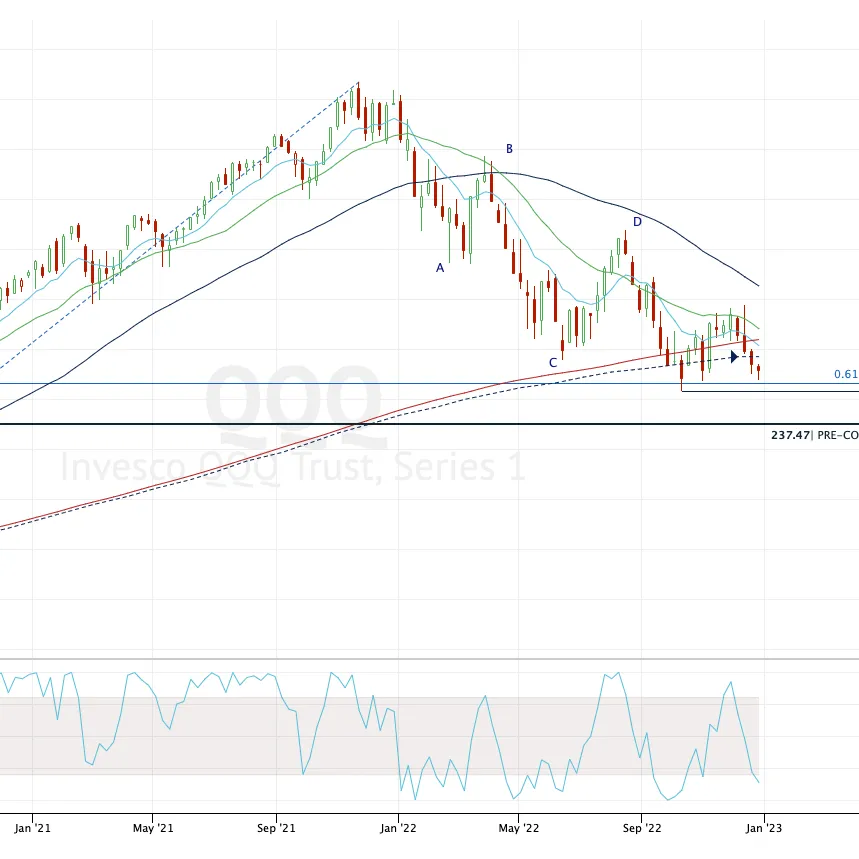 Photo: S&P 500, via www.thestreet.com
$500 per month invested in stocks for 30 years at 10% returns would grow to about $1.1 million. That same $500 going toward extra principal payments might build $200,000-$300,000 in additional equity, depending on appreciation rates.
Why Banks Love the Equity Story
The "equity as savings" narrative benefits mortgage lenders more than homeowners. It encourages people to take on large amounts of debt and view the interest payments as an investment rather than an expense.
Banks collect interest on the full loan amount for decades, while homeowners slowly build equity that they can't easily access without the bank's involvement. It's a business model that turns customers into long-term revenue streams while making them feel like they're building wealth.
The messaging is so effective that many homeowners actually pay extra principal, voluntarily giving banks more money upfront in exchange for illiquid equity that may or may not appreciate.
The Maintenance and Tax Reality
Equity calculations rarely account for the ongoing costs of homeownership. Property taxes, insurance, maintenance, and repairs can easily consume 2-3% of a home's value annually.
A $400,000 home might require $8,000-$12,000 per year just to maintain its condition and cover carrying costs. Over 30 years, those expenses can total $300,000 or more — money that reduces the actual return on your equity investment.
Those costs also increase over time. Property taxes rise with assessments. Maintenance becomes more expensive as systems age. Insurance premiums increase with inflation and climate risks.
The Forced Savings Myth
Proponents argue that home equity works as "forced savings" for people who lack the discipline to invest regularly. But this assumes that homeowners who struggle with investment discipline will somehow excel at property maintenance, insurance management, and local market timing.
Forced savings also means forced spending on a single asset class. If stocks are having a bad decade but real estate is booming, traditional investors can rebalance their portfolios. Homeowners are stuck with whatever their local market delivers.
When Equity Actually Works
Home equity isn't inherently bad — it's just not the universal wealth-building solution it's often portrayed as. Equity works best for homeowners who:
- Plan to stay in the same area for decades
- Have maxed out other investment options
- Value the psychological benefits of ownership
- Can afford the carrying costs without strain
- Understand they're making a lifestyle choice, not purely a financial one
The Alternative Approach
Some financial experts suggest treating housing as a consumption expense rather than an investment. Under this approach, you'd choose the least expensive housing that meets your needs and invest the difference in diversified, liquid assets.
This strategy provides more flexibility, better liquidity, and potentially higher returns. It also eliminates the geographic risk and maintenance responsibilities that come with homeownership.
Reframing the Conversation
The goal isn't to convince everyone to rent forever — it's to help people make housing decisions based on accurate information rather than inherited assumptions.
Home equity can be part of a wealth-building strategy, but it shouldn't be the foundation. Understanding its limitations helps homeowners make better decisions about how much house to buy, whether to pay extra principal, and how to balance real estate with other investments.
The American Dream doesn't require believing that home equity is the best possible use of your money — just that it's a reasonable choice for your specific situation.