That Fancy Neighborhood Name on Your Deed Might Be Completely Made Up
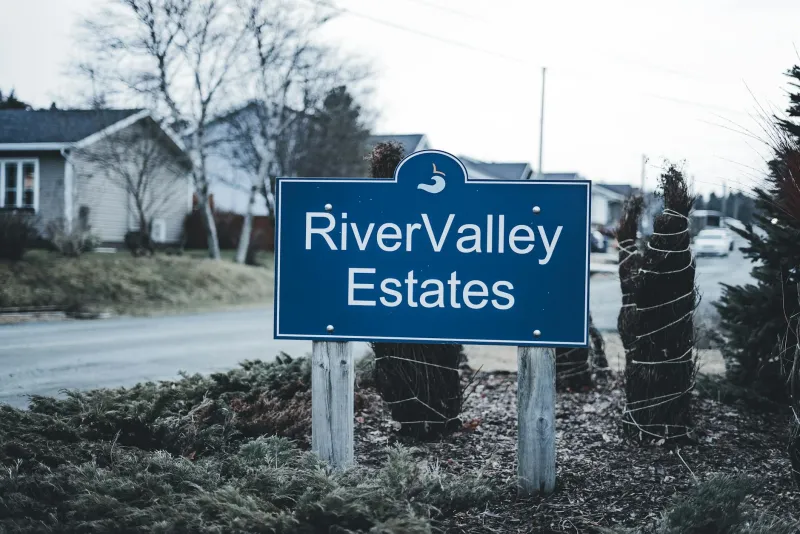
The $50,000 Name Game
When Sarah Chen bought her first home in 2019, she specifically searched for properties in "Riverside Estates" — a charming-sounding neighborhood in suburban Phoenix that commanded prices $40,000 higher than surrounding areas. The name conjured images of tree-lined streets near flowing water, exactly the upscale community vibe she wanted.
There was just one problem: Riverside Estates doesn't actually exist as a legal entity. There's no river nearby, no formal estate boundaries, and no official recognition by the city. The name was created in 1987 by a developer who thought it sounded better than "Desert Subdivision #47."
Sarah's story isn't unique. Across America, millions of homebuyers are paying premium prices for neighborhood names that exist primarily in marketing materials and MLS listings, not in any legal or historical reality.
The Invention of American Neighborhoods
Most people assume neighborhood names reflect genuine community history or geographic features. The truth is far more manufactured. Since the 1950s suburban boom, developers have systematically created neighborhood identities the same way companies create brand names — through focus groups, market research, and pure imagination.
"Sunset Hills" developments exist in flat terrain hundreds of miles from any hills. "Brookstone" subdivisions sit in areas where the nearest brook is a storm drain. "Heritage Oaks" communities feature newly planted saplings and zero historical significance.
Real estate attorney Michael Rodriguez has spent 20 years dealing with buyer confusion over neighborhood boundaries. "I regularly see purchase contracts referencing neighborhood names that appear nowhere in legal documents," he explains. "Buyers think they're purchasing in 'Willowbrook Manor,' but their actual legal address is just 'Lot 15, Block C, Johnson Subdivision.'"
How Fake Neighborhoods Drive Real Prices
The psychological impact of neighborhood names on property values is surprisingly powerful. Studies show that identical homes can vary in price by 10-25% based solely on the perceived prestige of their neighborhood designation.
Consider two identical subdivisions built by the same developer in the same year in Plano, Texas. One was marketed as "Preston Hollow North" (borrowing cachet from Dallas's genuinely exclusive Preston Hollow area). The other kept its original name, "Willow Creek Farms." Despite being essentially the same development separated by a single street, homes in "Preston Hollow North" consistently sell for $75,000 more.
This premium exists because buyers make assumptions about neighborhood character, school quality, and social status based entirely on names. Marketing departments understand this psychology and exploit it ruthlessly.
The Wikipedia Effect
In the digital age, neighborhood mythology has become even more entrenched. Once a developer's marketing name appears on enough real estate websites, Google Maps, and local business listings, it achieves a kind of artificial legitimacy.
Neighborhood names that started as pure marketing copy eventually appear in Wikipedia articles written by well-meaning residents who assume the names must have historical significance. These Wikipedia entries then get cited in news articles, creating a circular validation that makes fictional neighborhoods seem authentically established.
"I've seen entire neighborhood 'histories' created retroactively," says urban planning professor Dr. Lisa Martinez. "Someone invents a story about why their subdivision is called 'Copper Ridge,' and within five years, that invented history is being repeated as fact in local publications."
The Legal Reality Check
Here's what actually matters legally: your property's official subdivision name (recorded in county documents), your municipal address, and your school district boundaries. The trendy neighborhood name on your real estate listing often has zero legal significance.
This matters more than most buyers realize. When you're paying premium prices for a specific "neighborhood," you might discover that:
- The neighborhood has no defined boundaries
- Your "luxury" neighborhood includes areas you'd never want to live in
- The name appears nowhere in official city planning documents
- Your homeowners insurance company has never heard of your neighborhood
- The local police department uses completely different area designations
Why This Matters for Buyers
Understanding the manufactured nature of many neighborhood names can save buyers significant money and disappointment. Instead of paying premiums for prestigious-sounding areas, smart buyers focus on measurable factors: actual crime statistics, documented school performance, verified property values, and genuine amenities.
The next time you're house hunting and find yourself drawn to "Stonegate Manor" or "Riverside Commons," ask yourself: What am I actually paying for? Is it the houses, the location, and the community — or just a name that sounds impressive?
The Takeaway
Neighborhood names in America are often brands, not places. They're designed to sell houses, not reflect authentic community identity. Before paying a premium to live somewhere with a fancy name, research what that name actually represents — and whether the premium you're paying is for genuine value or just clever marketing.
The most expensive lesson in real estate isn't about interest rates or inspection reports. It's learning that the neighborhood you thought you knew might never have existed in the first place.