The 'First Home' Playbook Was Written by Real Estate Marketers — Not Financial Experts
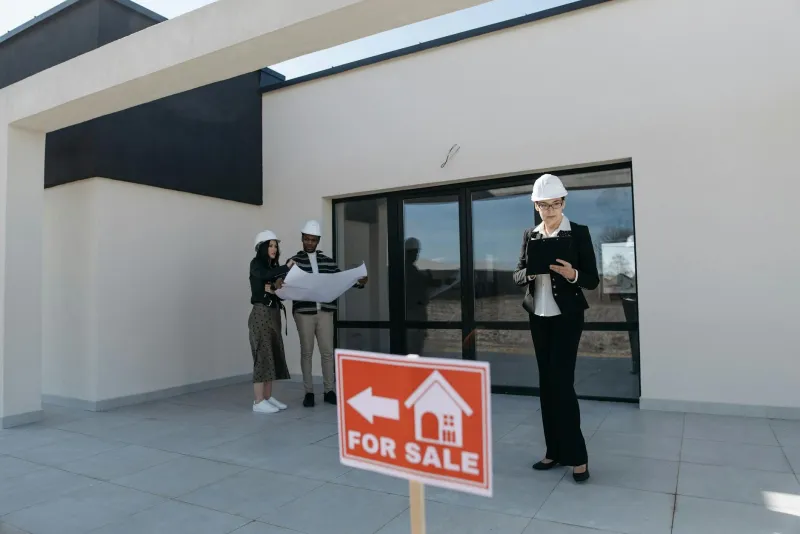
The Myth Everyone Believes
Walk into any real estate office in America, and you'll hear the same advice: start small, build equity, then trade up. The "starter home" has become such accepted wisdom that questioning it feels almost un-American. Young couples dutifully search for modest two-bedroom houses, planning their inevitable upgrade to something bigger and better.
But here's what nobody tells you: the entire starter home concept wasn't born from financial wisdom or generational knowledge. It was invented by marketing executives in the 1950s who needed to solve a very specific business problem.
How Marketing Created a "Financial Strategy"
After World War II, America had a housing shortage and millions of returning veterans with government-backed loans. The construction industry was cranking out small, affordable homes at unprecedented speed. But there was a problem: these houses were seen as temporary solutions, not desirable purchases.
The National Association of Home Builders and real estate industry groups launched what we'd now recognize as a brilliant marketing campaign. They reframed small homes not as compromises, but as smart first steps on a "property ladder." The messaging was clear: buy small now, trade up later, build wealth through real estate.
 Photo: National Association of Home Builders, via searchlogovector.com
This wasn't financial advice — it was inventory management. The industry needed people to buy those small homes and keep buying. Creating a culture of trading up every few years meant more transactions, more commissions, and more loan originations.
The Real Cost of Trading Up
Here's what the marketing campaign never mentioned: every time you trade up, you're paying transaction costs that can easily reach 10% of your home's value. Real estate commissions, closing costs, moving expenses, and the inevitable renovations add up fast.
Let's say you buy a $200,000 starter home, live there five years, then sell for $250,000 to buy a $350,000 "forever home." Between selling costs ($25,000) and buying costs ($15,000), you've spent $40,000 just to change addresses. That's money that never builds equity or generates returns.
Compare this to someone who waited, saved a larger down payment, and bought the $350,000 house directly. They avoid the transaction costs entirely and start building equity in their actual long-term home from day one.
Why the Cycle Benefits Everyone Except You
The starter home strategy creates a beautiful cycle — for the real estate industry. First-time buyers generate commissions and loan fees. Five to seven years later, they're back for round two, generating more fees. Their starter home gets sold to another first-time buyer, creating yet another transaction.
Real estate agents love clients who trade up because they're repeat customers. Lenders love them because they're taking out new mortgages every few years instead of paying down existing ones. Home improvement stores love them because every move triggers renovation projects.
But for the actual homeowners? The math rarely works out as advertised.
What the Data Actually Shows
Recent studies by housing economists reveal some uncomfortable truths about the starter home strategy. Households that buy small and trade up typically build less wealth over 20 years than those who buy once and stay put, even accounting for the higher initial purchase price.
The reason is simple: transaction costs compound. Every trade-up event resets your mortgage clock and drains equity you've built. Meanwhile, the family that bought their "forever home" first has been paying down their mortgage and building equity in a property they actually want to keep.
There's also an opportunity cost nobody talks about. The down payment for your starter home could have been invested in index funds, which historically outperform real estate when you factor in maintenance, taxes, and transaction costs.
When Starter Homes Actually Make Sense
This doesn't mean starter homes are always a bad idea. They can make sense if you genuinely need housing stability and can't afford your target home yet. They're also reasonable if you're in a rapidly appreciating market where getting in early matters more than minimizing transactions.
But the idea that trading up is automatically wealth-building? That's marketing, not math.
The Better Approach Nobody Talks About
Instead of following the manufactured starter home playbook, consider this: rent while you save for a larger down payment on the house you actually want to live in long-term. Yes, you'll hear that "rent is throwing money away," but remember — that's real estate industry messaging too.
Renting gives you flexibility to save aggressively, invest in appreciating assets, and avoid the transaction costs that make trading up so expensive. When you do buy, you're buying once, in a neighborhood you want to stay in, with a mortgage you'll actually pay down.
The Takeaway
The starter home concept feels like timeless financial wisdom because it's been marketed to us for 70 years. But it was designed to benefit the housing industry, not homebuyers. Before you buy small with plans to trade up, run the actual numbers on transaction costs and opportunity costs.
Sometimes the smartest first home is the one you wait a little longer to afford.