New Construction Warranties Sound Impressive Until You Read Who Wrote the Rules

Photo: Richard Sutcliffe, CC BY-SA 2.0, via Wikimedia Commons
There's a reassuring logic to buying new construction. The roof hasn't aged. The HVAC system has never been strained. The plumbing hasn't had twenty years of mineral buildup. And best of all, the builder hands you a warranty on the way out the door. If something goes wrong, you're covered.
That logic holds up — right up until something actually goes wrong.
Because the warranty protecting your brand-new home was written by the same company that built it. And in most states, builders have significant latitude to define what counts as a problem, what counts as normal, and what falls outside their responsibility entirely. The result is a document that looks like consumer protection but often functions more like liability management.
What a Builder Warranty Actually Covers
Most new construction homes in the US come with a tiered warranty structure. The general framework looks something like this:
- One year for workmanship and materials (paint, drywall, flooring, trim)
- Two years for mechanical systems (plumbing, electrical, HVAC)
- Ten years for structural defects
That ten-year structural coverage sounds substantial. But the definition of "structural defect" is where things get complicated.
In many builder warranties, a structural defect is narrowly defined as something that makes the home actually uninhabitable or causes load-bearing components to fail. A foundation crack that your structural engineer considers serious may not meet the builder's contractual threshold for a covered defect. A wall that's settling unevenly, causing doors to stick and gaps to form — that might be classified as a cosmetic issue rather than a structural one, depending on how the warranty language is written.
And that language was written by the builder's legal team, not a neutral consumer protection agency.
The Gray Zone Is Where Most Problems Live
The issues that frustrate new construction buyers most often aren't catastrophic failures. They're the things that fall into the gray zone — problems that are real and often expensive, but ambiguous enough that the builder has room to argue.
Common examples include:
Grading and drainage issues. Water pooling near the foundation is a serious long-term problem. But builders often classify grading complaints as settled earth, a normal result of the ground compacting after construction. Unless water is actively entering the home, many warranties won't cover it.
Drywall cracks. Hairline cracks are almost universal in new construction as the house settles. Builders typically call these normal. Wider cracks, or cracks that return after repair, may still be attributed to "normal settlement" depending on the warranty's measurement standards.
HVAC performance. If your system runs constantly but never quite reaches the temperature you set, that's a comfort issue — but proving it's a defect versus an undersized system versus operator error is a fight most homeowners aren't equipped to win.
Window and door alignment. Doors that don't close properly, windows that don't seal well — these can indicate framing issues or simple installation errors. Builders often offer a one-time adjustment and consider the matter resolved.
The Third-Party Warranty Option — Which Isn't Always What It Sounds Like
Some builders advertise that their homes come with a third-party warranty, implying independent oversight. Companies like 2-10 Home Buyers Warranty or Residential Warranty Corporation administer these programs. The framing suggests a neutral backstop.
 Photo: Residential Warranty Corporation, via www.bobvila.com
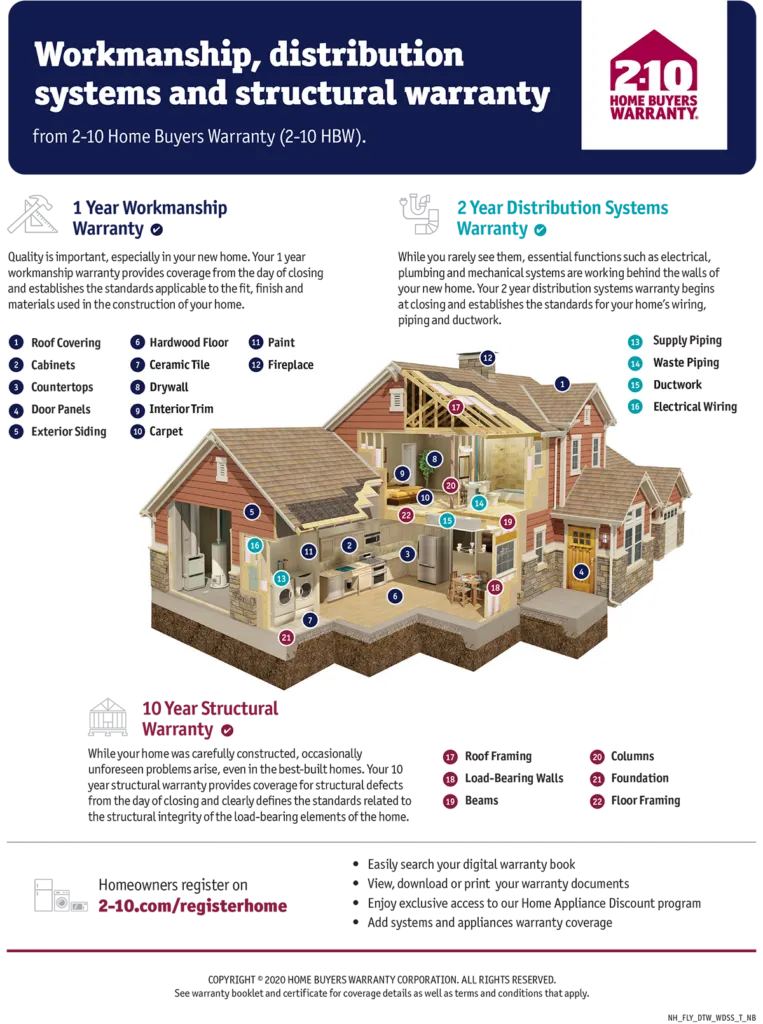 Photo: 2-10 Home Buyers Warranty, via directresidentialcommunities.com
But here's the detail that matters: these programs are largely funded and structured by builders. The builder enrolls, pays fees, and the warranty terms still reflect what the industry considers acceptable standards — not necessarily what a homeowner would consider acceptable living conditions. Third-party administration doesn't mean third-party standards.
That doesn't make these programs worthless. Having a formal dispute process and written coverage is better than nothing. But it's not the same as having an independent consumer advocate in your corner.
What Buyers Can Actually Do About This
The most important thing a new construction buyer can do is get an independent home inspection before closing — not after. Many buyers assume inspections are for older homes. Builders sometimes discourage them, or suggest they're unnecessary given the warranty. Neither of those things is true.
A qualified inspector looking at new construction can catch framing errors, improper grading, HVAC installation problems, and plumbing issues before they become your problem to argue about. Once you close, your leverage drops significantly.
A few other steps worth taking:
Read the warranty document before you sign the purchase agreement. Not after closing — before. Understand specifically how "structural defect" is defined, what the dispute resolution process looks like, and whether binding arbitration is required (which limits your ability to sue).
Document everything at your walkthrough. Photograph every imperfection, however minor it seems. If it becomes a dispute later, having documentation from day one matters.
Request a 11-month inspection. Most one-year warranties expire before buyers realize they have issues. Scheduling an independent inspection at month eleven — before the workmanship warranty expires — gives you a window to identify and formally report problems while coverage still applies.
The Takeaway
A builder warranty is a genuine form of protection. But it's protection defined and administered by the same party whose work it's supposed to cover. That's not a conspiracy — it's just how the industry is structured, and most buyers never think to ask who wrote the rules.
New construction buyers who go in with that understanding — and who invest in independent verification before and after closing — end up in a much stronger position than those who assume the warranty means someone else has already checked everything. Nobody has checked everything. That's still your job.