You Think You Own Your Home? The Government Kept Four Big Rights You Probably Don't Know About
You Think You Own Your Home? The Government Kept Four Big Rights You Probably Don't Know About
You saved for years, got approved for a mortgage, signed a mountain of paperwork, and finally got the keys to your own home. Congratulations — you're now a property owner! Except... you're not really.
Not in the way most Americans think about ownership, anyway.
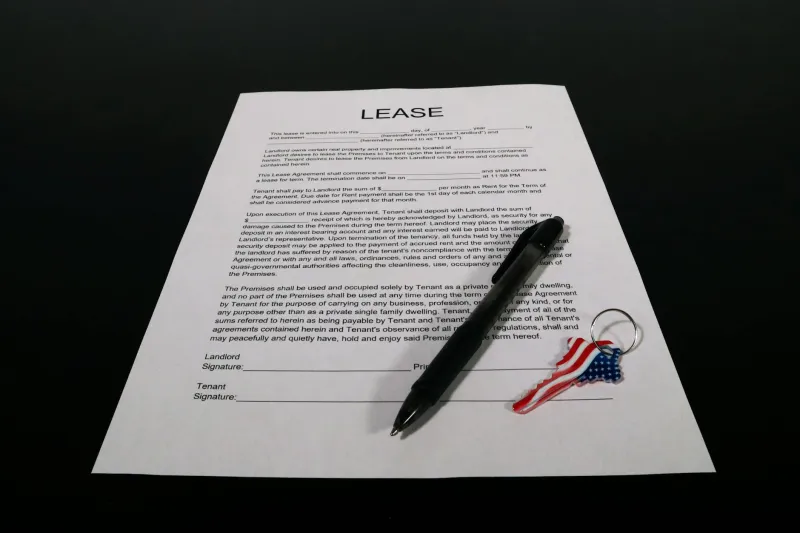
That deed in your filing cabinet represents something more limited than true ownership. It's more like an exclusive lease with some very powerful landlords who kept a few key rights for themselves. Those landlords? Every level of government from your city council to the federal government.
The Four Powers That Trump Your Property Rights
When you "bought" your home, the government retained what lawyers call the "bundle of rights" — four fundamental powers that can override your ownership claims anytime they choose to exercise them.
1. Eminent Domain: They Can Take It Back
The most famous of these powers is eminent domain — the government's right to seize private property for "public use," even if you don't want to sell. Most people know this exists in theory, but few understand how broadly it's been interpreted.
Your property can be taken not just for obvious public projects like highways or schools, but for economic development projects that benefit private companies. In the landmark 2005 Supreme Court case Kelo v. City of New London, the court ruled that local governments can seize property and transfer it to private developers if they believe it will generate more tax revenue.
 Photo: City of New London, via www.ctvisit.com
Translation: if a developer convinces your city council that a shopping mall would bring in more property taxes than your neighborhood, they can force you to sell your home at "fair market value" — whether you want to or not.
2. Taxation: Pay Up or Lose It
Property taxes aren't just a fee for government services — they're a constant reminder that your ownership is conditional. Stop paying property taxes, and you'll discover who really owns your home.
Unlike other debts, property tax liens take priority over everything, including your mortgage. If you fall behind on property taxes, the government can seize and auction your property, paying off the tax debt first and giving you whatever's left over (if anything).
This happens more often than you might think. In states like Texas, where property taxes are particularly high, thousands of homes are sold at tax auctions every year. Elderly homeowners who've paid off their mortgages sometimes lose their homes simply because they couldn't keep up with rising tax bills on fixed incomes.
3. Police Power: They Decide What You Can Do
The government's "police power" — not related to actual police — gives them broad authority to regulate how you use your property in the name of public health, safety, and welfare.
This is why you need permits to renovate your kitchen, why you can't run a auto repair shop in your garage, and why you can't paint your house hot pink in some neighborhoods. It's also why the government can force you to connect to municipal sewer systems, maintain your property to certain standards, or tear down structures they deem unsafe.
Zoning laws are the most visible example of police power in action. They can prevent you from starting a home business, limit how many people can live in your house, or require you to maintain certain setbacks from property lines. Violate these rules, and the government can fine you, force you to make changes, or even condemn your property.
4. Escheat: When You Die, They Get First Dibs
The final government power is escheat — the right to claim your property if you die without a valid will and no legal heirs can be found. While this might seem like an edge case, it happens more often than you'd expect, particularly with elderly property owners who outlive their families.
Escheat also applies to abandoned property. If you stop paying taxes, maintaining the property, and responding to government notices, they can eventually claim the property has been abandoned and take possession.
Why Most Americans Don't Know About This
The gap between American beliefs about property ownership and legal reality isn't an accident. It reflects the difference between our cultural mythology and our legal system.
The Homestead Myth: American culture is built around the idea of individual property ownership as a fundamental right. The reality is that property ownership has always been subject to government oversight, but this gets glossed over in favor of more appealing narratives about independence and self-reliance.
Real Estate Marketing: Nobody sells houses by explaining the limitations of property ownership. Real estate agents, mortgage brokers, and home builders have every incentive to emphasize the benefits of "ownership" while downplaying the restrictions.
Legal Complexity: The actual legal framework of property ownership is complicated and varies by state. Most people rely on simplified explanations that don't capture the full picture.
How This Plays Out in Real Life
These government powers aren't just theoretical — they shape homeownership in ways most people don't recognize:
HOA Power: Homeowners' associations derive much of their authority from government police power. When you buy in an HOA community, you're essentially agreeing to additional layers of regulation beyond what the government already imposes.
Historic District Restrictions: If your home is in a historic district, the government can severely limit your renovation options, even for interior changes. You might own the house, but you don't control how you can modify it.
Environmental Regulations: Wetlands protections, endangered species habitat rules, and other environmental laws can prevent you from using parts of your property, even if you bought it with development plans in mind.
Code Enforcement: Cities are increasingly aggressive about code enforcement, using police power to force property improvements, landscaping maintenance, and aesthetic compliance.
What This Means for Homeowners
Understanding these limitations doesn't mean homeownership is a bad idea — it means going in with realistic expectations about what you're actually buying.
Research Before You Buy: Investigate not just the property, but the local government's track record on eminent domain, tax increases, and code enforcement. Some municipalities are much more aggressive than others.
Plan for Rising Taxes: Property taxes tend to increase over time, and there's little you can do to prevent it. Budget accordingly, especially if you're planning to stay in your home long-term.
Know Your Local Rules: Understanding local zoning laws, building codes, and permit requirements can save you thousands in unexpected compliance costs.
Consider the Bigger Picture: Your property rights exist within a framework of community standards and government priorities. Sometimes that works in your favor (like when code enforcement keeps your neighbor from turning their yard into a junkyard), and sometimes it doesn't.
The Bottom Line
Property ownership in America is more like a long-term lease with significant rights and protections, rather than the absolute ownership that cultural mythology suggests. The government retained these four powers because they believe community interests sometimes need to override individual property rights.
Whether you agree with that philosophy or not, understanding it can help you make better decisions about where to buy, how to use your property, and what to expect from the homeownership experience. You do own your home — you just don't own it as completely as you might think.