Your Walk Score Was Calculated by a Robot That's Never Set Foot in Your Neighborhood
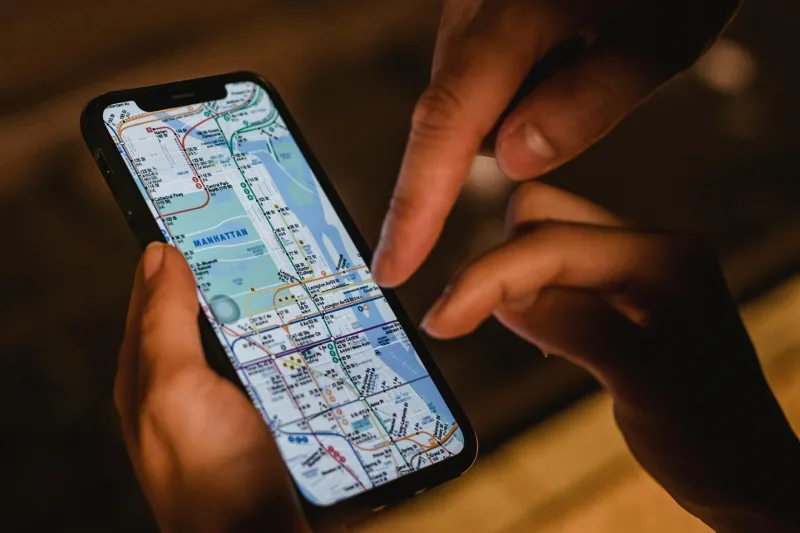
The Algorithm That Rules Where You Live
Type any address into a real estate website, and within seconds you'll see a Walk Score, Transit Score, and Bike Score. These numbers feel official, scientific, and objective. They're color-coded, precisely calculated, and used by millions of Americans to make major life decisions about where to live.
Here's the reality check: these scores are generated by computer algorithms that have never experienced your neighborhood as a human being would. They're measuring straight-line distances between points on a map, not the actual experience of walking to get coffee on a Tuesday morning.
How the Sausage Gets Made
Walk Score's algorithm is surprisingly straightforward. It identifies your address, draws circles around it at different distances, and counts how many amenities fall within those circles. Closer amenities get higher point values, farther ones get lower values. Add up the points, and you get a score from 0 to 100.
Sounds reasonable, right? But the devil is in the details of what this process actually measures.
The algorithm counts a grocery store that's 0.2 miles away as easily walkable. It doesn't know that those 0.2 miles include crossing a six-lane highway with no crosswalk, walking past an abandoned lot that feels unsafe after dark, or navigating a stretch of road with no sidewalk where cars routinely speed at 45 mph.
It sees a coffee shop and adds points to your walkability score. It doesn't know that coffee shop has been closed for six months, or that it's located inside a gated community you can't actually access.
The Great Straight-Line Fallacy
Most walkability algorithms calculate distances "as the crow flies" — meaning they measure straight lines between two points on a map. But humans aren't crows. We follow roads, navigate around obstacles, and deal with the reality of urban planning.
That restaurant that shows up as a 5-minute walk might actually require a 15-minute detour around a highway overpass. The "nearby" subway station might be accessible only by walking through a tunnel that floods during heavy rain. The algorithm doesn't know about construction zones, broken sidewalks, or the fact that the most direct route passes through an area where people simply don't walk alone.
What These Scores Consistently Miss
Safety is the biggest blind spot. An algorithm can tell you there's a park within walking distance, but it can't tell you whether people actually feel safe walking there. It counts the number of restaurants and shops, but it doesn't know which ones have been shuttered by crime or economic decline.
Seasonal variation is another gap. That perfect walkability score might be based on amenities that are only accessible during certain months. Try walking to that "nearby" farmer's market in January, or accessing that outdoor shopping center during a Minnesota winter.
The algorithm also struggles with elevation changes. A destination might be 0.3 miles away on the map, but if those 0.3 miles include climbing a 200-foot hill, the walking experience changes dramatically. San Francisco's Walk Scores are particularly misleading for this reason.
 Photo: San Francisco, via jooinn.com
The Transit Score Shell Game
Transit Scores are even more divorced from reality. These ratings count the number of public transportation options near your address and calculate how many destinations you can reach within a certain time frame.
But anyone who actually uses public transportation knows that the system is more complex than counting bus stops. Frequency matters more than proximity. A bus stop 100 yards from your front door is useless if the bus only runs every two hours. A subway station that's a 10-minute walk away but offers trains every 3 minutes is far more valuable.
The algorithm doesn't account for reliability, cleanliness, safety, or whether the transit system actually connects to places you need to go. It doesn't know that the "high-frequency" bus route gets stuck in traffic for 45 minutes during rush hour, or that the train station closes at 10 PM.
The Human Experience Gap
Real walkability depends on factors that no algorithm can measure. It's about whether there are other people walking around, making the streets feel alive and safe. It's about whether the sidewalks are well-maintained, whether there are places to sit and rest, whether the route feels pleasant or stressful.
Some of the most "walkable" neighborhoods according to these scores feel sterile and unwelcoming to actual pedestrians. Meanwhile, some lower-scoring areas have vibrant street life and genuine pedestrian culture that makes walking a joy.
Weather plays a huge role that algorithms ignore. A Phoenix neighborhood might score well for walkability, but the reality is that walking outside is unpleasant or dangerous for several months of the year. A Minneapolis neighborhood might have a lower score but be genuinely delightful for pedestrians during the months when people actually want to be outside.
The Better Approach
This doesn't mean walkability scores are completely useless. They're a reasonable starting point for research, especially when comparing neighborhoods in unfamiliar cities. But they should be treated as rough estimates, not precise measurements.
The real test is simple: visit the neighborhood at different times of day and week. Walk the routes you'd actually take. Pay attention to how you feel, not just what you can reach. Talk to people who live there about their actual experiences getting around.
Notice whether people are actually walking, or if the streets are empty despite high walkability scores. Check whether the amenities that boosted the neighborhood's rating are places you'd actually want to visit.
The Algorithm Knows Nothing
The next time you see a Walk Score of 87 and feel confident about a neighborhood's pedestrian-friendliness, remember: that number was calculated by a computer program that has never experienced weather, never felt unsafe on a dark street, and never had to navigate around construction with a stroller.
Algorithms are powerful tools, but they're terrible at measuring human experiences. Your feet are still the best judges of walkability.