America's Latest 'Boom Towns' Already Went Bust—The Moving Trucks Just Haven't Figured It Out Yet
The Magazine Cover Curse
Boise made the cover of Forbes as "America's Next Big City" in 2018. Chattanooga got featured in Outside Magazine as the "Best Town Ever" in 2015. Tulsa launched a program paying remote workers $10,000 to move there in 2019. Austin has been "the next big thing" for so long it's practically a running joke.
What these cities have in common isn't just magazine coverage—it's a predictable cycle that transforms them from hidden gems into cautionary tales faster than their new residents can update their LinkedIn locations.
The Hype Cycle Reality
Here's how it works: A mid-sized city offers some combination of low cost of living, decent weather, cultural amenities, and job opportunities. Journalists visit, fall in love with $3 craft beer and $1,200 apartments, and write glowing profiles. Remote workers and lifestyle migrants read these articles and start moving in waves.
The problem is that these cities became attractive precisely because they were undiscovered. The infrastructure, housing stock, and service economy were sized for their existing population, not for the influx that follows national attention.
Boise's population grew 3.2% annually from 2017 to 2022—nearly triple the national average. Housing costs increased 89% in four years. The city that attracted people with $200,000 homes now sees median prices above $450,000. The affordability that drove the initial migration has completely evaporated.
The Infrastructure Lag
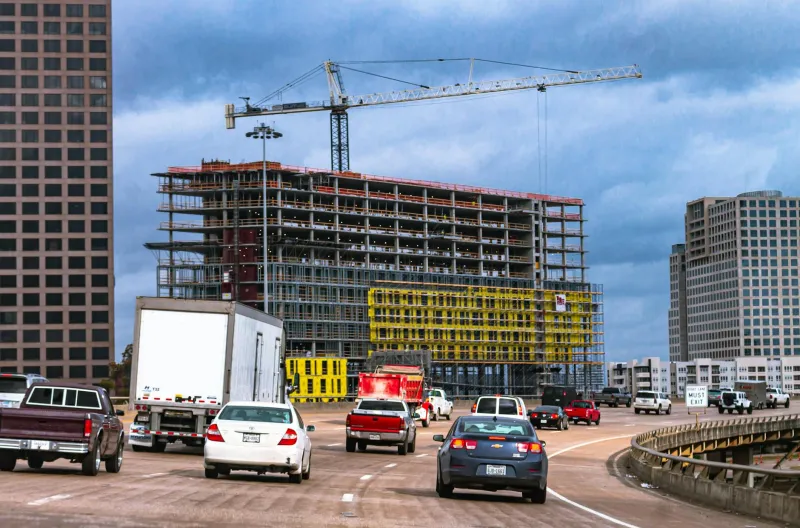
Cities can't scale up overnight. When 50,000 new residents arrive over three years, the roads, schools, hospitals, and utilities are still sized for the old population. Traffic that used to flow smoothly becomes gridlocked. Restaurant reservations become impossible. The local charm that attracted newcomers gets overwhelmed by the sheer volume of people trying to access it.
Chattanooga's downtown, once a model of revitalization, now struggles with parking shortages and overcrowded trails. The outdoor recreation that defined the city's appeal becomes less accessible as more people compete for the same hiking spots and river access points.
The Service Economy Scramble
Local businesses face an impossible choice during these boom periods. They can rapidly expand to serve the new population, taking on debt and risk, or they can maintain their current size and frustrate customers with long waits and poor service.
Many choose expansion, hiring quickly and opening new locations. But when the migration wave inevitably slows—either because the city becomes too expensive or the next "hot" destination emerges—these businesses are left overextended. The result is a service economy that feels simultaneously overwhelmed and unstable.
The Data Behind the Headlines
While magazines were still writing breathless profiles of Boise's transformation, local economic indicators were already flashing warning signs. Building permits peaked in 2021, then dropped 47% by 2023. Net migration, which had been strongly positive, turned neutral as high costs drove out as many people as were moving in.
Similar patterns played out across other "boom towns." Austin's tech scene, once the envy of Silicon Valley, saw major layoffs and company relocations as costs spiraled. Nashville's music industry workforce, priced out of the city that built their careers, began looking elsewhere.
Why the Hidden Gems Stay Hidden
The cities that get featured in "Best Places to Live" lists often have fundamental limitations that keep them from sustaining rapid growth. Geographic constraints, water shortages, limited transportation infrastructure, or economic dependence on specific industries create natural caps on how large they can grow while maintaining their appeal.
These constraints aren't always obvious to visitors or new residents. A weekend trip to explore a potential new city doesn't reveal the water restrictions, the limited flight options, or the fact that most good jobs are concentrated in one or two companies that could relocate at any time.
The Real Winners and Losers
The boom-bust cycle creates clear winners and losers, and they're not always who you'd expect. Long-time homeowners see massive equity gains but also face higher property taxes and changing neighborhood character. Renters get priced out entirely. Local businesses that can't scale quickly lose market share to chains that move in to serve the new population.
Meanwhile, the remote workers and lifestyle migrants who drove the initial boom often move on when costs rise, leaving behind changed communities and strained infrastructure.
The Next Wave Is Already Building
While former boom towns deal with the aftermath of their magazine fame, new cities are being positioned as the next great destinations. Spokane, Knoxville, and Richmond are getting the treatment that Boise and Chattanooga received five years ago.
The cycle continues because each generation of migrants believes they've discovered something unique, not recognizing they're part of a predictable pattern that has played out dozens of times across American cities.
What Actually Makes Cities Sustainable
The cities that handle growth well share certain characteristics: diverse economies that aren't dependent on single industries, robust infrastructure that can expand, and governance structures that plan for growth rather than just react to it.
These cities rarely make "Best Places to Live" lists because they're not hidden gems—they're known quantities that have been successfully managing growth for decades. They're not as exciting to write about, but they're much better places to actually build a life.
Looking Past the Hype
Before you load the moving truck based on a magazine article, look at the data behind the headlines. How long has the city been growing? What's the trajectory of housing costs? How does the local government handle infrastructure investment? Are the jobs that attracted you likely to stay put?
The next great American city probably isn't the one getting magazine covers right now—it's the one that's been quietly building sustainable growth while everyone else was chasing the latest boom town.