The Front Yard Is Selling You a Story — And You're Buying It Before You Even Walk Through the Door
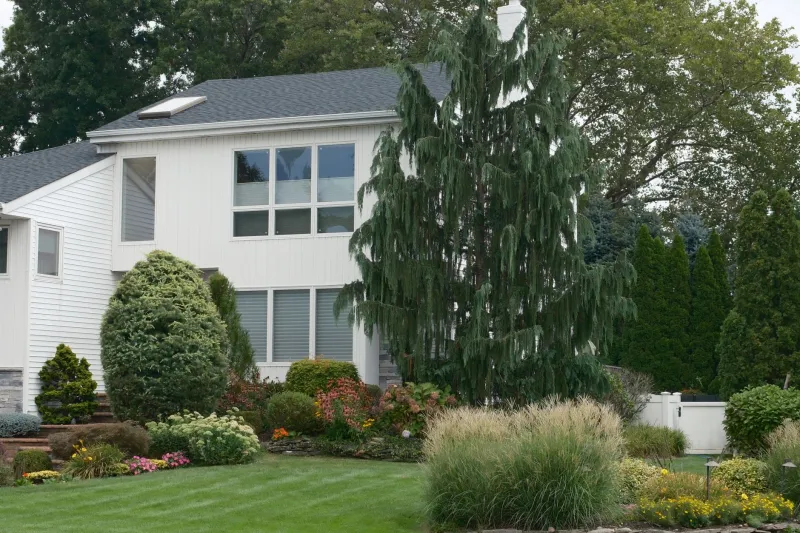
The Front Yard Is Selling You a Story — And You're Buying It Before You Even Walk Through the Door
There's a moment every homebuyer knows. You pull up to the address, the car slows down, and before you've even unbuckled your seatbelt, something has already happened inside your brain. You've decided whether you like it.
Real estate professionals have a name for what just happened: curb appeal. What they don't always mention is that they've spent decades learning how to engineer that exact moment — and that your snap judgment is costing you money in ways that won't show up until long after closing.
How a Landscaping Concept Became a Marketing Science
Curb appeal wasn't always the obsessive industry focus it is today. For most of the 20th century, it was a fairly simple idea: keep the yard tidy and the paint fresh. Reasonable enough.
But somewhere around the early 2000s — fueled by the rise of home improvement television, online listing photography, and eventually smartphone cameras — curb appeal transformed into something else entirely. It became a discipline. Staging consultants, professional real estate photographers, and landscape companies began working in coordinated effort to manufacture a specific emotional response in the first three seconds of a buyer's experience.
Today, the numbers behind that investment are significant. According to data from the National Association of Realtors, landscaping improvements alone can yield a return of 100% or more at resale. Freshly painted front doors, updated house numbers, potted plants strategically placed near entrances — these aren't decorating choices. They're calculated psychological cues designed to put you in a receptive, optimistic headspace before your hand touches the doorknob.
And here's the uncomfortable part: it works remarkably well.
Your Brain Is Not on Your Side During a Showing
Psychologists have studied first impression formation for decades, and the findings are consistent. Once a person forms an initial positive impression, they tend to interpret subsequent information through that lens — a phenomenon called confirmation bias. In practical terms, this means that if the front of a house delights you, you are measurably more likely to overlook problems you encounter inside.
A cracked foundation becomes "something we could deal with later." An outdated electrical panel becomes "not a big deal." A basement that smells faintly of moisture becomes "probably just from recent rain."
None of those rationalizations would feel as comfortable if you'd pulled up to a house with peeling siding and a dead lawn. The exterior primes your entire evaluation.
Real estate agents are trained — explicitly — to leverage this. Listing advice routinely instructs sellers to invest in the exterior first, not because the exterior is the most important part of the home, but because it controls how buyers perceive everything that follows.
What the Fresh Mulch Is Hiding
Here's where curb appeal stops being a charming psychological quirk and starts being a genuine financial risk.
Cosmetic improvements to a home's exterior are relatively cheap and fast. Mulching garden beds, power-washing the driveway, painting the shutters, replacing the mailbox — a motivated seller can transform the front of a property for a few hundred to a few thousand dollars. That investment can add tens of thousands to the perceived value of the home and, critically, distract buyers from asking hard questions about what's happening behind the walls.
Some of the most consistently overlooked issues in homes with strong curb appeal include:
Roof condition. A house with a beautiful front yard and a roof that needs replacement in two years is going to cost you. Buyers who are emotionally attached from the driveway are less likely to push back on roof age during negotiations.
HVAC systems. An aging furnace or air conditioning unit isn't visible from the street. It also isn't visible to buyers who are busy falling in love with the wraparound porch.
Foundation and drainage. Lush landscaping can actually conceal grading problems — situations where the ground slopes toward the foundation rather than away from it, directing water into the basement or crawl space. That's a problem that gets worse every time it rains.
Deferred interior maintenance. Sellers who invest in exterior staging sometimes do so precisely because the interior has issues they'd rather you not focus on. A freshly painted front door is a bargain compared to replacing a water-damaged subfloor.
The Photography Problem
Online listings have added another layer to this dynamic. Before you ever visit a home in person, you've already formed an impression based on photographs — and professional real estate photography is specifically designed to maximize curb appeal impact.
Wide-angle lenses make rooms appear larger. Strategic lighting makes everything warmer and more inviting. And the exterior shot — almost always the first image in any listing — is typically taken during the golden hour, with fresh landscaping visible and any unflattering details carefully cropped out.
You arrive at the showing already emotionally primed by images that were designed by someone whose job was to make you feel exactly this way.
What to Actually Do Before You Fall in Love
None of this means you should ignore how a home looks from the street. Exterior condition does matter, and a well-maintained front yard often does signal a seller who takes care of their property.
But there are a few habits worth building before your feelings run ahead of your judgment:
- Drive by on a different day, at a different time. The house you saw on a sunny Saturday afternoon may look very different on a gray Tuesday morning. Neighborhood traffic, noise, and activity patterns also change significantly by day and hour.
- Look up, not just around. The roof, gutters, chimney, and fascia boards tell you a lot about deferred maintenance. They're easy to miss when the flower beds are gorgeous.
- Ask your inspector to start outside. A good home inspector will evaluate drainage, foundation visible from the exterior, and roof condition — but make sure you walk with them and pay attention rather than mentally decorating the living room.
- Notice what's not there. Freshly mulched beds with very new plantings sometimes mean old landscaping was removed. Ask why.
The Takeaway
Curb appeal is real, and it matters. But it matters most to the person selling the house, not the person buying it. The industry has spent considerable energy making sure that the first thing you see is the best possible version of what you're about to spend 30 years paying for.
The homes that photograph the best are often the homes that cost the most to own — not because they're higher quality, but because they've been dressed for the camera. Slowing down that first impression, just slightly, might be the most valuable thing you do before making an offer.