'Move-In Ready' Is One of Real Estate's Most Useful Phrases — Useful for the Person Selling, That Is
'Move-In Ready' Is One of Real Estate's Most Useful Phrases — Useful for the Person Selling, That Is
If you've spent any time looking at real estate listings, you've seen the phrase dozens of times. Move-in ready. It appears in listing headlines, property descriptions, and agent pitches with such regularity that it feels like a recognized category — a standard that homes either meet or don't.
It isn't. There is no standard. There is no definition. And the gap between what those three words imply and what buyers actually encounter after the moving truck pulls away is one of the most predictable disappointments in American real estate.
A Phrase With No Rules Behind It
Unlike terms such as "bedroom" — which most states define by minimum square footage, window requirements, and egress standards — "move-in ready" exists in a regulatory vacuum. No federal agency defines it. No state licensing board enforces it. The National Association of Realtors has no official standard for it.
This means that a listing agent can describe a home as move-in ready based on nothing more than their own judgment, their client's wishes, or a simple desire to attract more buyer interest. A home with a freshly painted interior, new carpet in the bedrooms, and a cleaned-out garage technically qualifies under the only standard that exists: someone decided to say so.
The phrase became embedded in listing culture for the same reason most real estate marketing language did — it works. Research on buyer psychology consistently shows that buyers place a significant premium on perceived convenience. The idea of moving into a home without immediately having to deal with repairs, renovations, or decisions is genuinely appealing, especially to first-time buyers who are already overwhelmed by the process. "Move-in ready" is a direct appeal to that desire, and it commands real money.
Studies and market analyses have found that listings using the phrase routinely sell at a premium compared to similar homes without it. That premium exists whether or not the home actually delivers on the implied promise.
What 'Ready' Usually Means in Practice
The most common version of move-in ready is a home that has received what the industry calls cosmetic updates. These are improvements that change the way a home looks without addressing what's happening inside the walls, under the floors, or above the ceilings.
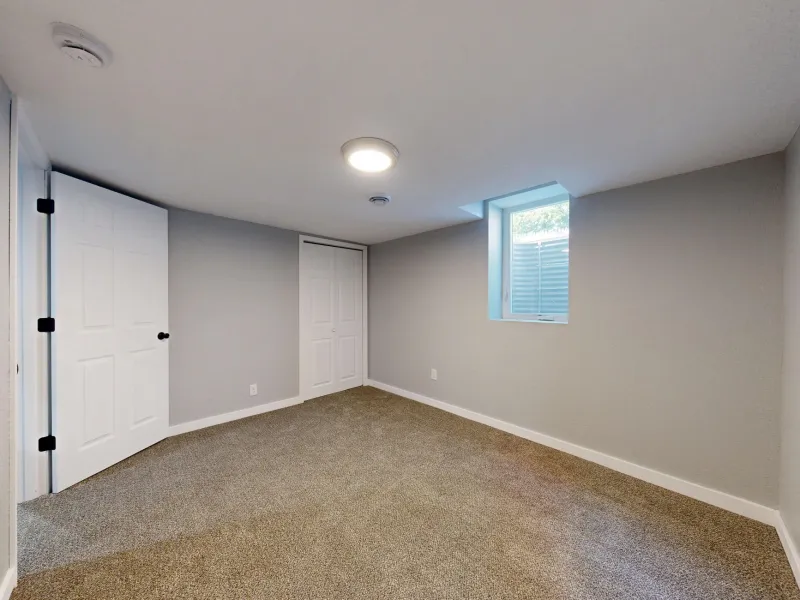
Fresh interior paint is the single most common move-in-ready signal, and for good reason. A coat of neutral paint is relatively inexpensive, takes a few days to apply, and has an outsized effect on how clean and updated a space feels. It also covers a lot. Water stains, hairline cracks, smoke damage, and years of accumulated grime can all disappear under a fresh coat of Agreeable Gray.
New carpet is another reliable indicator. Like paint, it's affordable relative to what it implies, and it transforms the feel of a home quickly. It also covers subfloors. Buyers walking on plush new carpet are rarely thinking about what's underneath it — but subfloor damage from moisture, pet accidents, or structural settling is among the most expensive surprises a homeowner can encounter.
Updated fixtures — new light switches, cabinet hardware, bathroom faucets — complete the picture. These are the kinds of changes that photograph beautifully and feel modern during a showing, but they don't tell you anything about the age of the plumbing system those faucets are attached to.
The Renovation That Hides the Problem
There's a harder version of this issue that goes beyond simple cosmetic staging. In some cases — not all, but enough to be worth understanding — cosmetic improvements are applied specifically because a seller knows something is wrong and wants to minimize scrutiny before a buyer's inspection.
A seller who has discovered mold in a bathroom might replace the vanity and repaint rather than address the moisture source. A seller who has had water in the basement might install new flooring in the finished space rather than disclose the drainage problem. These are not hypothetical edge cases. They show up in real estate disclosure disputes regularly enough that experienced inspectors often pay extra attention to areas of a home that look unusually fresh.
The tell is inconsistency. A kitchen with brand-new cabinet hardware but 25-year-old appliances. A bathroom with a gleaming new vanity and a toilet that was clearly installed in a different decade. A finished basement with new flooring that stops abruptly at a wall that smells slightly off. These patterns aren't proof of concealment, but they are signals worth investigating before you waive your inspection contingency because the place looked so polished.
What Buyers Consistently Discover After Moving In
The most common post-move-in surprises in homes marketed as move-in ready tend to cluster around a few familiar categories:
HVAC systems. A home can be freshly painted and carpeted while running on an air conditioning unit that's operating on borrowed time. HVAC replacement typically runs between $5,000 and $12,000 depending on the system and the size of the home — a cost that arrives without warning, often in the middle of summer.
Electrical panels. Older homes with outdated electrical panels — certain brands have well-documented safety issues that affect insurability — can pass a showing without any visible indication of the problem. The issue surfaces when you go to get homeowner's insurance and discover you're uninsurable without a panel replacement.
Roof age. A roof that has five years of useful life remaining doesn't look different from the inside than one with fifteen. But the cost difference when replacement comes due is significant, and sellers are not required to volunteer this information in most states.
Deferred exterior maintenance. Cosmetic interior work sometimes signals a seller who prioritized what buyers would see during showings over what actually needed attention. Gutters, siding, window seals, and deck structures don't show up in listing photos but show up very quickly in your first year of ownership.
How to Protect Yourself From the Label
The most important thing to understand is that "move-in ready" is a marketing description, not a warranty. Treating it as the former rather than the latter changes how you approach the transaction.
- Never waive your inspection because a home looks ready. The inspection is not a formality. It is the one moment in the transaction where an independent professional looks at the home without any financial interest in whether you buy it.
- Ask specifically about system ages. Roof, HVAC, water heater, and electrical panel — these are the big-ticket items that cosmetic updates won't tell you about. Your agent can request disclosure of ages in writing.
- Look for the inconsistencies. If a home has been recently updated in some areas but not others, ask why. The answer — or the absence of a clear answer — is informative.
- Check permit history. Many municipalities have online records of permits pulled for renovation work. If a seller made significant updates without permits, those updates may not meet code, and that becomes your problem after closing.
The Takeaway
Move-in ready is a feeling a seller is trying to create, not a condition they're guaranteeing. The phrase has no legal meaning, no industry definition, and no enforcement mechanism behind it — which means the only thing standing between you and a very expensive surprise is the inspection you're tempted to skip because the place looked so good. The most consistently misleading homes in real estate aren't the obvious fixer-uppers. They're the ones that have been dressed up just enough to make you stop asking questions.