A Phrase Older Than the United States Has Been Quietly Selling You on Real Estate for 200 Years
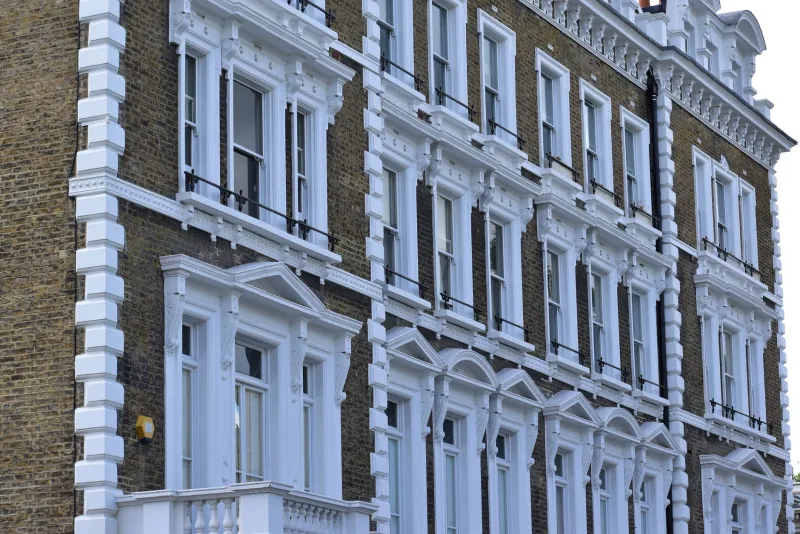
Some ideas feel so old and so obvious that questioning them seems almost rude. "Safe as houses" is one of those. It gets dropped into conversations about mortgages, home equity, and long-term financial planning with the casual confidence of someone quoting gravity. Everybody knows it. Everybody nods.
Except almost nobody knows where it came from. And once you do, the nodding gets a little harder to justify.
The Phrase Was Born in a Financial Disaster, Not a Financial Win
The saying traces back to mid-19th century Britain, during the era of Railway Mania — one of the most spectacular speculative bubbles in economic history. Between roughly 1844 and 1846, British investors poured enormous amounts of money into railway stocks, convinced the new technology would mint fortunes overnight. Parliament approved hundreds of new rail lines. Ordinary people mortgaged their homes to buy in. Newspapers stoked the excitement.
Then it collapsed. Thousands of investors were wiped out. Companies folded. The financial wreckage was widespread enough that it reshaped how Victorians thought about risk for a generation.
Out of that chaos came a comparison. When people needed a shorthand for stable and not a railway stock, they reached for the thing that seemed to have survived the carnage: property. Houses hadn't evaporated overnight. They were still standing. They were, in contrast to the smoking ruins of railway speculation, relatively safe.
That's the original context. "Safe as houses" wasn't a timeless endorsement of real estate as a wealth-building strategy. It was a post-disaster comparison — roughly equivalent to saying "at least it's not a crypto token" after a market crash. The bar was specifically, narrowly "better than the thing that just destroyed everyone's savings."
How a Crisis Comparison Became a Universal Truth
Phrases have a way of outliving their context. By the time "safe as houses" crossed the Atlantic and settled into American speech, the Railway Mania it was referencing had been dead for decades. The phrase arrived stripped of its backstory, carrying only its surface meaning: houses equal safety.
That made it extraordinarily useful for a specific industry.
The American real estate and mortgage business, which expanded dramatically in the early 20th century and then exploded after World War II, inherited a ready-made piece of folk wisdom that asked nothing in return. No advertising budget required. No celebrity endorsement. Just a phrase already embedded in the culture, doing the work of a marketing slogan for free.
The savings-and-loan industry, real estate brokers, home builders, and eventually the federal government's own homeownership promotion campaigns all operated in an environment where the cultural groundwork had already been laid. "Safe as houses" wasn't a lie they invented — it was a pre-existing assumption they were happy to leave unchallenged.
The Assumption Has Had Some Rough Decades
Here's the uncomfortable part. If you run the actual numbers across American housing history, "safe as houses" holds up inconsistently at best.
The Great Depression saw property values crater across the country, with foreclosure rates that would be unthinkable by modern standards. The savings-and-loan crisis of the 1980s wiped out billions in real estate value and cost taxpayers an estimated $130 billion in bailouts. The 2008 housing collapse was so severe that it triggered a global financial crisis, erasing trillions in home equity and leaving millions of American families underwater on mortgages for years afterward.
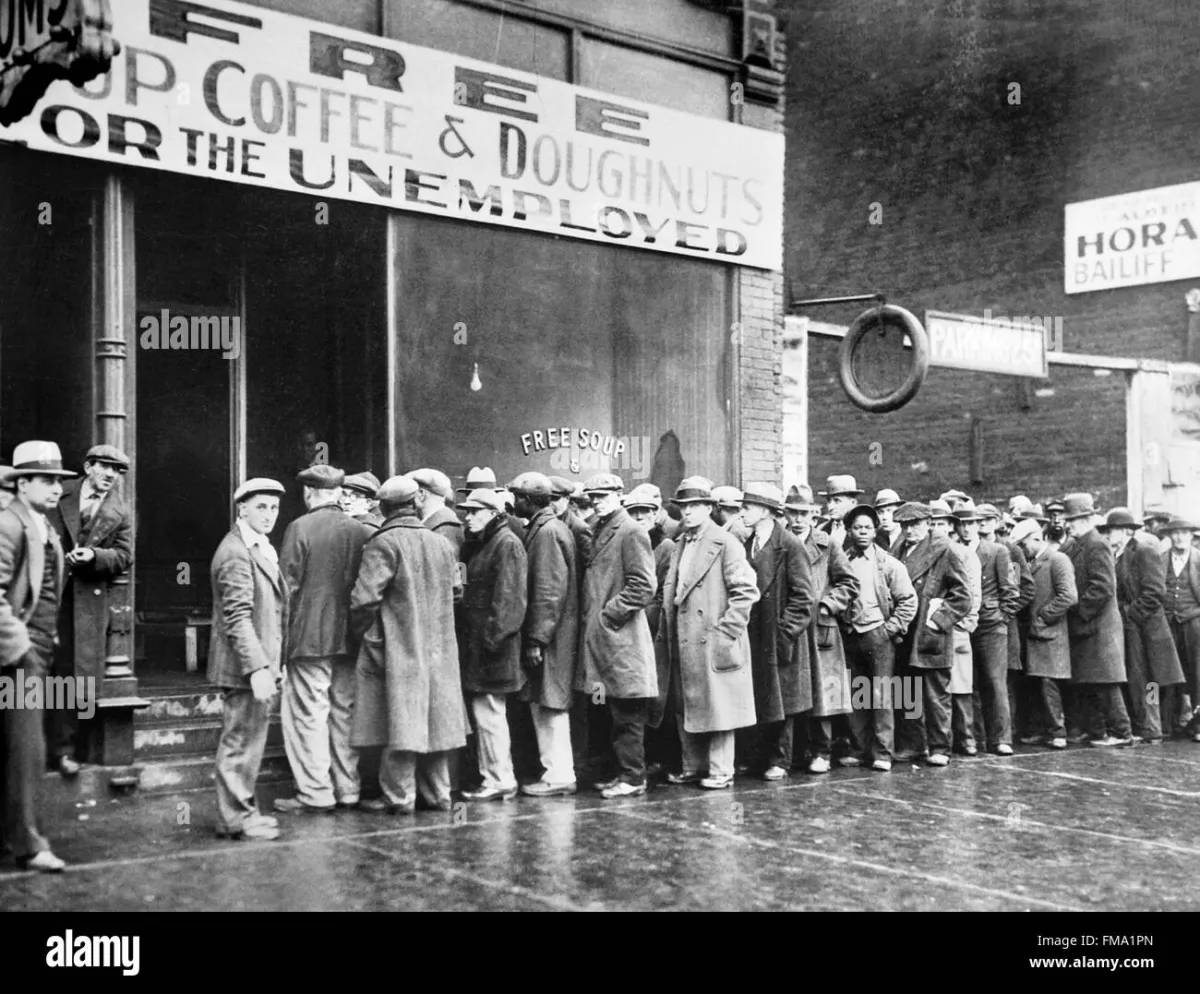 Photo: Great Depression, via c8.alamy.com
None of that makes homeownership a bad idea. But it does complicate the idea that property is somehow exempt from the risks that apply to every other asset class. Houses are real assets with real value — and they're also illiquid, maintenance-heavy, geographically concentrated, and subject to the same economic forces that move everything else.
The phrase doesn't really account for any of that.
Why the Saying Still Works on Us
There's a concept in behavioral psychology called availability heuristic — we judge the likelihood of something based on how easily an example comes to mind. For most Americans, the mental image of homeownership is deeply tied to stability: a fixed address, a place to raise kids, roots in a community. That image gets reinforced constantly through culture, family advice, and financial guidance.
A catchy old phrase that confirms the image slides right in without friction. We don't interrogate it because it matches what we already half-believe.
And to be fair, for many people in many circumstances, owning a home has absolutely been a smart financial move. The problem isn't homeownership — it's the unexamined certainty. The assumption that safety is baked into the asset class itself, rather than dependent on timing, location, personal finances, and a hundred other variables that the phrase cheerfully ignores.
The Takeaway
Next time someone uses "safe as houses" to close a conversation about real estate, it's worth remembering what it actually closed: a comparison to a 19th century stock bubble that ruined thousands of British investors. The phrase was never a universal principle. It was a sigh of relief from people who'd survived something terrible.
That's not nothing. But it's also not the bedrock of financial wisdom it gets treated as. The real story behind the saying is a reminder that a lot of what feels like timeless common sense has a surprisingly specific, surprisingly messy origin — and the real estate industry didn't exactly rush to clarify the record.