The Phrase That Made Real Estate Feel Safe Was Invented During a Collapse
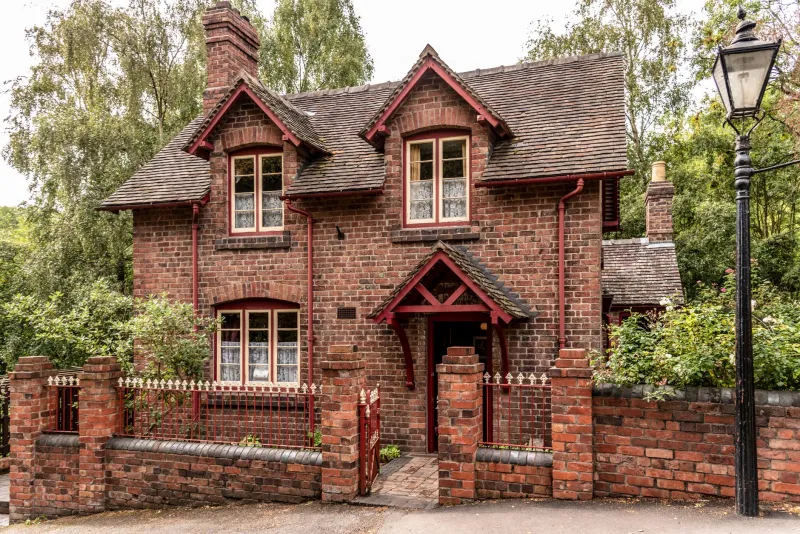
A Saying That Feels Ancient — But Has a Surprisingly Specific Origin
There's a phrase that gets passed down through generations like a family heirloom: safe as houses. You've probably heard it from a parent, a financial advisor, or an uncle who bought a duplex in the '80s and never stopped talking about it. It means what it sounds like — that property is one of the most stable, reliable investments a person can make. Solid. Dependable. Basically a sure thing.
The problem is that the phrase was born during a moment in history when houses were anything but safe. And understanding that origin doesn't just make for interesting trivia — it explains why so many Americans are still making financial decisions based on a metaphor that was never quite accurate to begin with.
Where the Phrase Actually Came From
The expression "safe as houses" is believed to have emerged in Britain during the mid-1800s, a period that saw spectacular boom-and-bust cycles in railway investment. Speculators poured money into railway stocks with the same enthusiasm that later generations would bring to dot-com stocks or crypto. When those markets collapsed, property — real, physical, brick-and-mortar property — was held up as the stable alternative. You could see it. You could touch it. It wasn't going anywhere.
The comparison stuck. And it crossed the Atlantic.
What gets left out of that story, though, is that British property markets of the same era were also experiencing significant volatility. Tenant displacement, speculative land grabs, and financial panics hit property owners hard throughout the 19th century. The phrase caught on not because it was empirically accurate, but because it felt true in contrast to something that had just blown up spectacularly.
In other words, "safe as houses" was always a relative statement dressed up as an absolute one.
How It Took Root in American Financial Culture
By the time the phrase fully embedded itself in American thinking, it had picked up some powerful institutional backing. After the Great Depression, the federal government created programs specifically designed to make homeownership feel like the bedrock of middle-class financial security. The FHA, the 30-year mortgage, the mortgage interest deduction — all of these were tools that encouraged Americans to see their home not just as a place to live, but as a financial foundation.
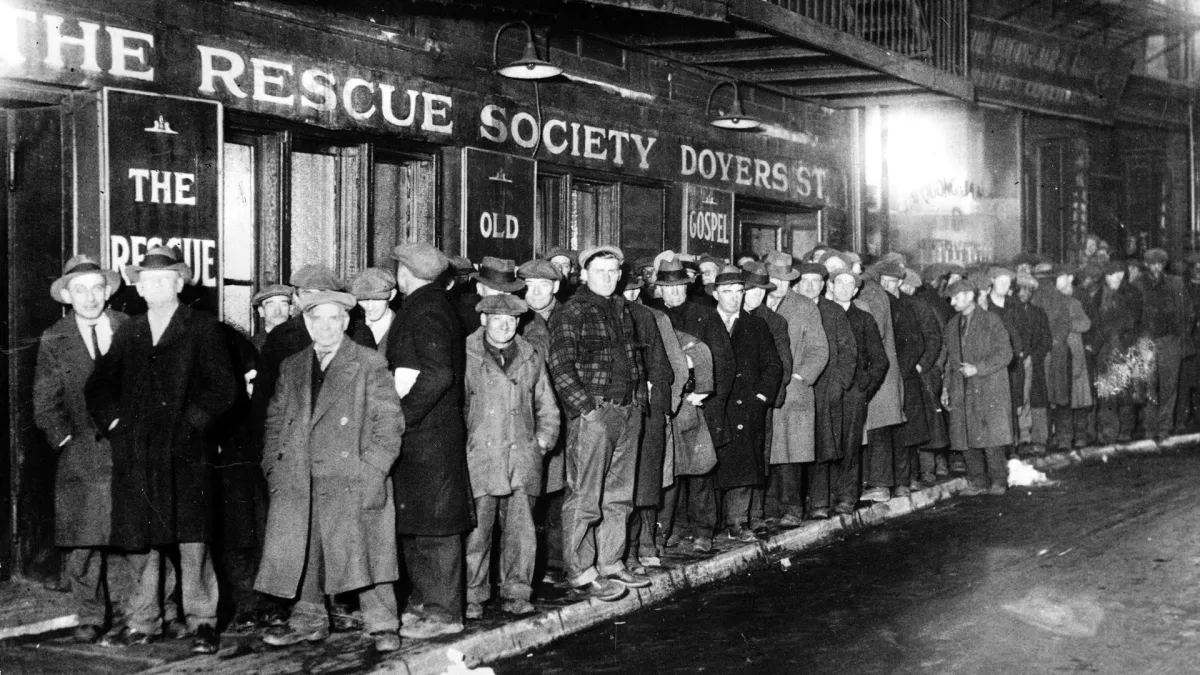 Photo: Great Depression, via assets.editorial.aetnd.com
That institutional push combined with the postwar suburban expansion to create a generation of homeowners who genuinely did see enormous appreciation in their properties. For millions of Americans from the 1950s through the early 2000s, the "safe as houses" idea seemed to be confirmed by lived experience. Prices went up. Equity built. The cliché seemed validated.
So the phrase survived — and it survived as a fact rather than a feeling.
What the Data Actually Shows
Here's the uncomfortable part. When economists adjust historical home price data for inflation, the long-term appreciation of residential real estate is considerably more modest than the conventional wisdom suggests. Yale economist Robert Shiller, who won the Nobel Prize partly for his work on asset prices, showed that U.S. home prices between 1890 and the mid-20th century barely kept pace with inflation in real terms.
 Photo: Robert Shiller, via cdn.britannica.com
The big appreciation gains most people remember — their parents' house tripling in value — happened during specific windows of time, in specific markets, under specific economic conditions. Not everywhere. Not always. And certainly not guaranteed.
The 2008 housing crisis was the most dramatic modern demonstration of this. Millions of Americans lost significant portions of their net worth when the housing market collapsed. The phrase "safe as houses" didn't disappear from the culture — but for a few years, at least, people said it with slightly less confidence.
Why Comforting Clichés Outlast the Facts
So why does the saying persist? Because financial anxiety is real, and comforting ideas are genuinely useful. When markets are volatile, when retirement accounts fluctuate, when the economy feels unpredictable, the idea that your home is a stable anchor is psychologically powerful. It helps people make a decision — one of the biggest financial decisions of their lives — with enough confidence to actually follow through.
The real estate industry, mortgage lenders, and financial advisors who benefit from homeownership transactions have every reason to reinforce that belief. Not necessarily through deception, but through selective emphasis. The stories that get told are the ones where the house appreciated, where the neighborhood turned around, where the investment paid off.
The stories where it didn't are filed quietly away.
The Takeaway
None of this means buying a home is a bad decision. For many people, in many circumstances, it's a genuinely good one — financially and otherwise. But making that decision based on a phrase coined during a 19th-century railway bubble, without examining what's actually underneath it, is the kind of thinking that leads people into trouble.
Financial clichés survive not because they're accurate, but because they're comforting. And the most dangerous financial advice is usually the kind that feels like it doesn't need to be questioned.
The next time someone tells you real estate is "safe as houses," it's worth asking: compared to what, exactly? And according to who?